
How to Move a Piano in Florida Without Ruining the Soundboard
Florida humidity and temperature swings can destroy piano pin blocks and soundboards. Learn specialized rigging, skid boards, and climate-controlled transit techniques.
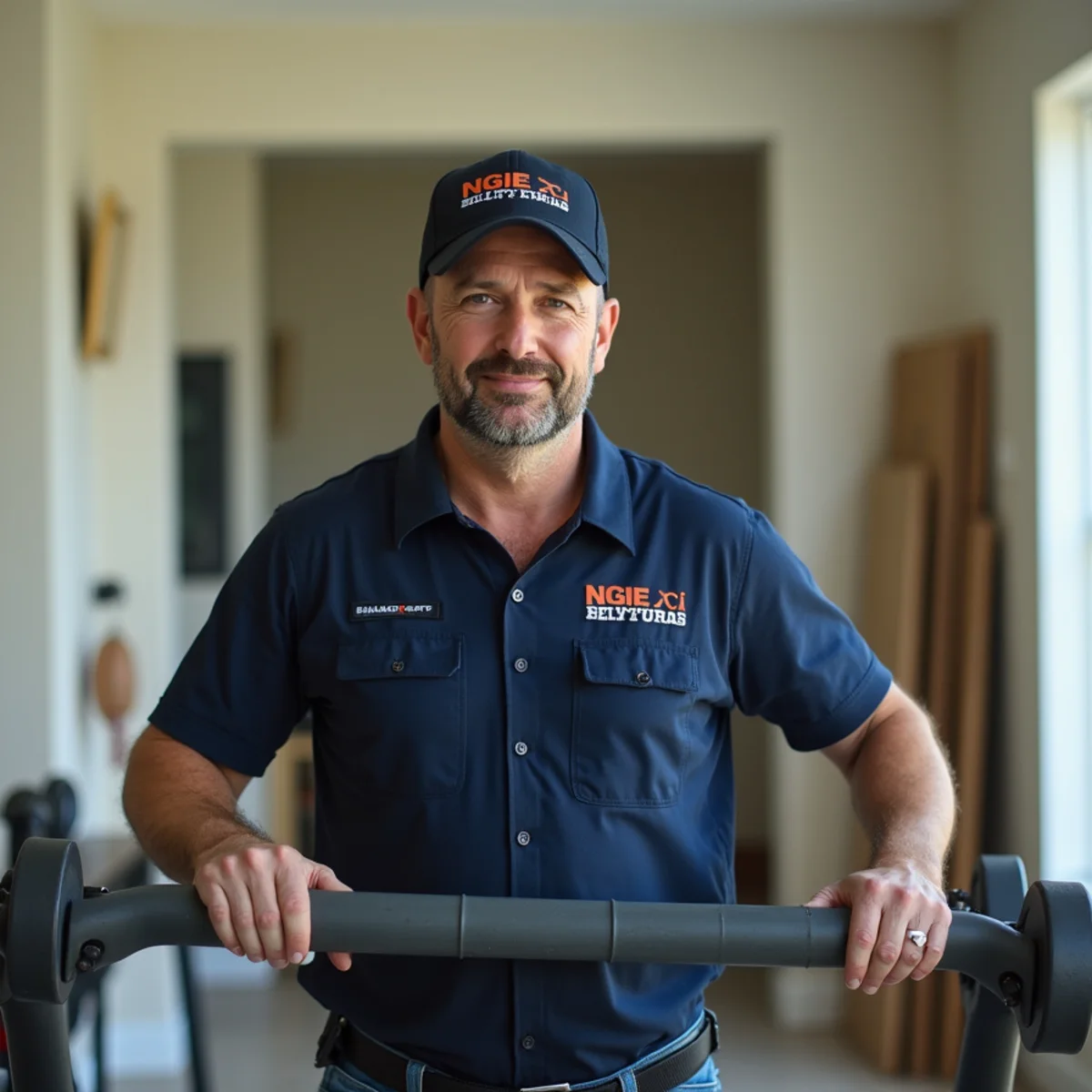
Moving a piano in Florida requires specialized piano skid boards, heavy-duty humping straps, four-wheel dollies, and immediate transport in an enclosed, climate-controlled truck. Never expose a piano to Florida's 85%+ outdoor humidity or direct midday sun, which causes soundboards to warp, strings to rust, and cast-iron plates to detune.
The Anatomy of a Piano: Why Standard Movers Fail
A piano is simultaneously a massive piece of heavy furniture weighing between 400 and 1,200 pounds and a delicate acoustic instrument containing over 10,000 finely calibrated moving parts. An upright or grand piano concentrates immense weight on tiny brass casters that will easily crack Florida tile, gouge hardwood, or shatter under sudden movement.
Standard household movers who lack dedicated piano training often attempt to lift pianos by their legs or keyboard lyres, causing catastrophic structural failure. Moving a piano requires specialized equipment: heavy-duty oak piano boards (skids), thick cotton rigging straps, and multi-layered padded blankets designed specifically to distribute weight safely across the instrument's spine.

Protecting Soundboards from South Florida Humidity Shock
South Florida's subtropical climate is the natural enemy of fine musical instruments. Relative humidity levels regularly surpass 80% during summer months, while indoor air-conditioned homes maintain 45% to 55% humidity.
When a piano is moved between air-conditioned environments, sudden exposure to humid exterior air causes the solid spruce soundboard to absorb moisture rapidly, swelling wood fibers and detuning string tensions. If left exposed in an un-air-conditioned open truck or non-climate storage, soundboards can develop structural cracks. Lifetime Moving utilizes breathable textile padding sealed with moisture-resistant vapor barriers and executes direct point-to-point transit to minimize environmental exposure.

Moving Upright vs. Baby Grand Pianos: The Mechanical Differences
Moving an upright piano versus a baby grand involves completely different mechanical procedures:
Upright Pianos (Spinet, Console, Studio): Upright pianos are top-heavy, with the cast-iron plate positioned against the back casing. They are strapped directly to a heavy-duty piano skid board and transported vertically on high-capacity rubber-tired dollies.
Baby Grand and Grand Pianos: Grand pianos must be partially disassembled. The moving team carefully removes the pedal lyre, unbolts the left leg, gently lowers the piano body onto a padded skid board on its flat side, and removes the remaining two legs. The piano body is then strapped firmly to the skid board and wheeled out horizontally.

Post-Move Acclimation and Piano Tuning Schedules
Even the smoothest, most delicate piano move will alter string tension slightly due to vibrations, road bumps, and environmental shifts. A common homeowner mistake is scheduling an expensive piano tuner for the day after the move.
Pianos require a minimum acclimation period of 2 to 3 weeks in their new air-conditioned environment before a piano technician can achieve a stable, enduring tune. Allow the spruce soundboard and steel strings to equalize to the temperature and humidity of the new room before booking your tuner.
Piano Moving Protocol: 5 Crucial Safety Steps
- 1Step 1: Measure all doorways, hallways, and staircases along the moving path.
- 2Step 2: Close and lock the keyboard lid (fallboard) to prevent loose keys.
- 3Step 3: Pad piano bodies with heavy quilted textile blankets and secure to a skid board.
- 4Step 4: Transport pianos in an enclosed, weather-sealed commercial box truck.
- 5Step 5: Allow the piano to acclimate for 14 to 21 days in its new home before tuning.
Moving Masterclass: Insider Advice from Owner Amy
Field-tested guidance from our Miramar dispatch center at 7021 SW 29th St:
- Never attempt to roll a piano on its decorative brass casters across tile or wood floors.
- Grand piano legs must be removed; lifting a grand piano by its legs will snap the hardwood pins.
- Maintain 45% to 50% indoor humidity in your new home using dehumidifiers or steady A/C.
- Wait at least 2 weeks after moving before scheduling professional tuning.
Related Services & Coverage Areas
Specialized Moving Services:
Key Service Areas Discussed:
Common Questions About This Topic
Expert advice from owner Amy and our South Florida moving crew.
Only movers equipped with dedicated piano skid boards, heavy rigging straps, and proper team lifting techniques should handle pianos to avoid personal injury and structural damage.
Planning Your Move? Get an Accurate Upfront Quote
Zero hidden fees · Response from owner Amy in under 15 minutes
More Helpful South Florida Moving Guides
Ready to Make Your Move Stress-Free?
Call 1-213-691-0609 now to speak directly with owner Amy or lock in your guaranteed upfront moving quote.