
How to Pack a Kitchen for Moving Without Breaking a Single Dish
Kitchens contain 60% of fragile household inventory. Master the dish-pack cell technique, stemware cushioning, and appliance prep for a break-free move.
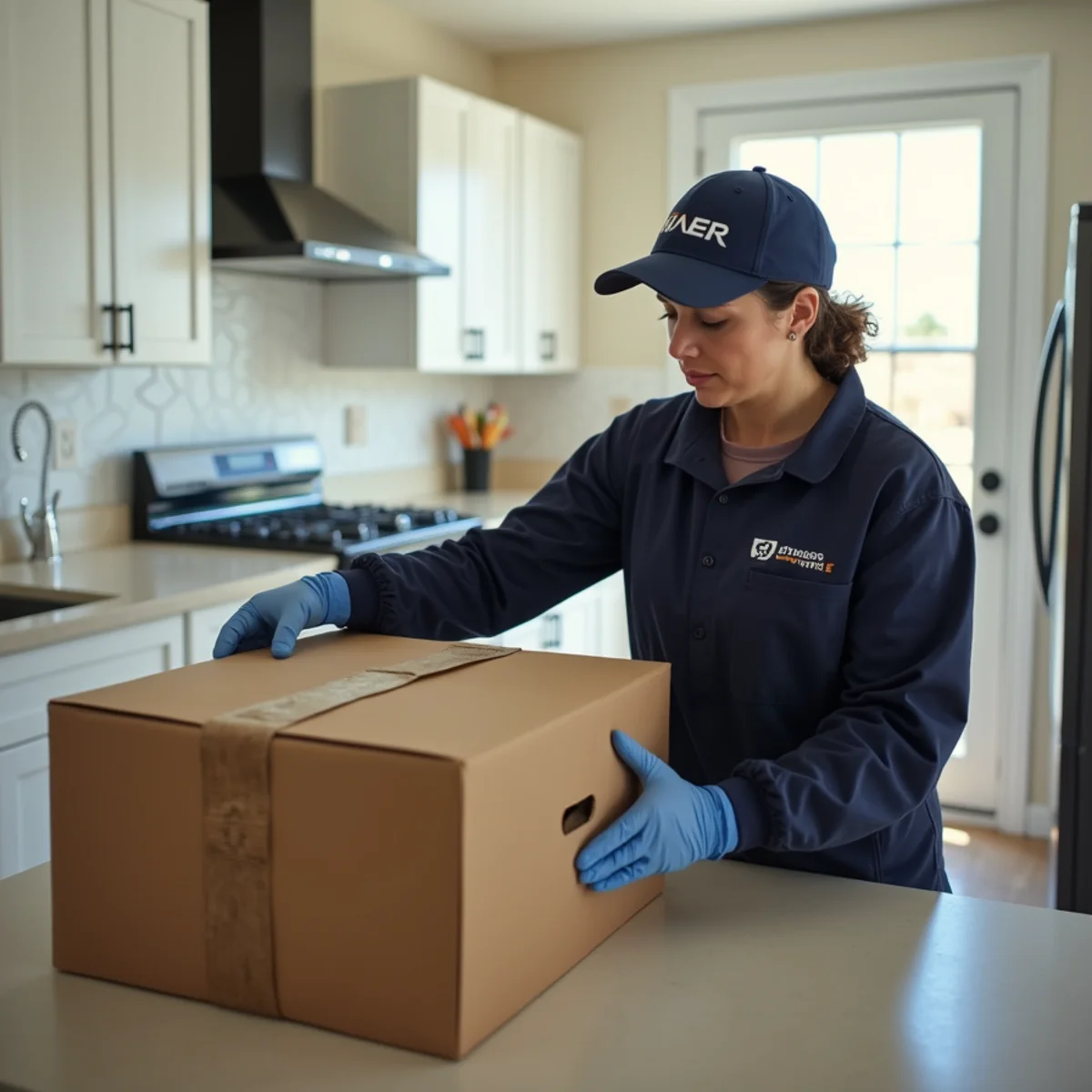
To pack a kitchen without breakage, invest in double-walled dish-pack corrugated boxes, wrap every plate individually in unprinted newsprint, and always pack plates vertically on edge like records in a vinyl crate—never flat. Line box bottoms with 3 inches of crumpled paper and pack heavy pots and cast iron in small 1.5-cubic-foot boxes.
Why the Kitchen Is the Most Labor-Intensive Room to Pack
For professional movers, the kitchen represents the highest concentration of high-density, fragile, and irregularly shaped items in any home. A typical South Florida kitchen contains hundreds of porcelain plates, delicate crystal wine stems, cast iron skillets, small electrical appliances, pantry liquids, and sharp cutlery.
Attempting to pack a kitchen in single-wall grocery boxes with newspaper almost guarantees chipped rims and shattered ceramics. Ink from traditional newspapers bleeds into porous china, requiring hours of hand-washing. Professional kitchen packing relies on heavy double-walled dish barrels, clean unprinted butcher paper, and systematic weight distribution.

The Golden Rule of Dish Packing: Edge Packing, Never Flat
The fundamental law of ceramic packing is simple: plates and platters possess their greatest structural strength along their vertical rim edges, while their flat centers are vulnerable to impact pressure from above. Never stack dinner plates flat inside a moving box.
Begin by laying a thick 3-inch cushion of tightly crumpled unprinted packing paper across the bottom of a heavy dish-pack box. Wrap each plate individually in two sheets of paper, folding corners inward. Group four wrapped plates together into a tight bundle, wrap the bundle in an outer sheet, and place the bundle vertically into the box. Repeat across the layer, pack tightly with paper buffers, and place another 2-inch crushed paper layer on top before adding bowls or glassware.

Packing Stemware, Bar Glassware, and Delicate Ceramics
Wine glasses and champagne flutes require specialized handling due to their delicate, slender stems. Begin by gently rolling crumpled packing paper around the stem until it matches the thickness of the glass bowl, equalizing the diameter of the glass.
Next, wrap the entire glass diagonally in sheets of paper, tucking the excess neatly into the rim cavity. Place glasses upright in divided cell partitions or atop a cushioned middle tier inside the dish barrel. Always pack the heaviest glassware at the bottom and lightest crystal at the very top. Fill every void with crushed paper until shaking the box produces zero internal movement.

Appliance Defrosting, Pantry Liquids, and South Florida Heat
South Florida's subtropical climate introduces unique kitchen moving hazards. Refrigerators and freezers must be completely emptied, unplugged, and defrosted at least 24 hours prior to move morning. Leaving moisture inside an unpowered refrigerator during humid transport creates toxic black mold within 48 hours.
Pantry goods also demand attention: open liquid bottles (olive oil, vinegar, soy sauce) must be capped, sealed with tape around the threaded neck, and placed upright inside plastic zipper bags. Dispose of glass cooking oils or donate unopened non-perishable canned goods to local Broward food banks rather than paying to transport heavy canned goods.
Kitchen Packing Master Steps: 6 Foolproof Actions
- 1Step 1: Defrost and dry refrigerators/freezers 24 hours before moving day.
- 2Step 2: Line the bottom of heavy-duty dish packs with 3 inches of crumpled paper.
- 3Step 3: Wrap plates individually and stand them vertically on edge like vinyl records.
- 4Step 4: Roll stems of wine glasses with paper before wrapping the entire piece.
- 5Step 5: Pack heavy Dutch ovens and cast iron skillets in small 1.5-cu-ft boxes.
- 6Step 6: Mark every kitchen carton 'FRAGILE — DISHES — THIS SIDE UP' on all four sides.
Moving Masterclass: Insider Advice from Owner Amy
Field-tested guidance from our Miramar dispatch center at 7021 SW 29th St:
- Never use regular single-wall boxes for dishware; always demand double-walled dish barrels.
- Unprinted newsprint prevents toxic black ink transfer onto your fine porcelain and dish sets.
- Pack silverware inside its existing organizer tray and shrink-wrap the entire tray securely.
- Keep one box labeled 'Kitchen Essentials' containing a coffee maker, mugs, paper plates, and sponge.
Related Services & Coverage Areas
Specialized Moving Services:
Key Service Areas Discussed:
Common Questions About This Topic
Expert advice from owner Amy and our South Florida moving crew.
No. Refrigerators must be emptied, defrosted, and dried completely before loading to avoid severe mold, mildew, and water leaks inside the moving truck.
Planning Your Move? Get an Accurate Upfront Quote
Zero hidden fees · Response from owner Amy in under 15 minutes
More Helpful South Florida Moving Guides
Ready to Make Your Move Stress-Free?
Call 1-213-691-0609 now to speak directly with owner Amy or lock in your guaranteed upfront moving quote.